Phoenix Tears THC Syringe: A Practical Look at Distillate Dosing
Why the Syringe Format Makes Sense for Concentrates
If you have spent any time around cannabis concentrates, you know that dosing can be a guessing game. A dab rig gives you one kind of experience, a vape cartridge offers another, but controlling the exact amount of Delta 8 or Delta 9 you take can be tricky. That is where the phoenix tears thc syringe comes into the picture. It is a simple, no-fuss way to measure and deliver a precise dose of distillate without needing to heat anything or fiddle with a dab tool.
I first tried a syringe-based concentrate a few years ago, back when most people still thought of THC as something you either smoked or ate in a brownie. The idea of a glass syringe filled with a thick, amber liquid felt odd at first. But after using one for a few weeks, I realised how much control it gave me. You can take a tiny drop under your tongue or add it to a drink. The same syringe that works for oral tincture also fits into a sublingual routine, which is a method I have come to prefer for daytime use.
What Makes Distillate Different
Kush Station stocks a range of cannabis concentrates, and the products built around Delta 8 and Delta 9 distillates stand out because of their purity. Distillate is produced through a process that strips away plant material and leaves behind a concentrated mix of cannabinoids and terpenes. The result is a product that is both potent and clean. The phoenix tears thc syringe is one example of how this distillate gets delivered in a form that skips the usual guesswork.
When you compare it to a standard vape cartridge, the syringe offers more flexibility. A cartridge is convenient, but you are locked into whatever blend the manufacturer decided on. With a syringe, you can decide how much you want and whether to use it orally, sublingually, or even add it to a dab rig. That kind of control matters, especially if you are someone who likes to tailor your experience to the moment.
Full-Spectrum and Solventless Extraction
One of the reasons I keep coming back to distillate products like the phoenix tears thc syringe is the focus on full-spectrum cannabinoids. Not all concentrates are created equal. Some are stripped of the minor cannabinoids that contribute to a more rounded effect. A full-spectrum distillate retains a wider range of these compounds, which can make the experience feel more complete.
Solventless extraction methods, like CO2 extraction, are becoming more common in the industry. They avoid the use of chemical solvents, which means the final product is closer to what the plant naturally produces. When you see a product that mentions solventless or CO2 extraction, it is usually a sign that the maker prioritised purity over yield. That matters for anyone who cares about what they put into their body, whether they are using a dab rig or taking it orally.
Dosing with a Glass Syringe
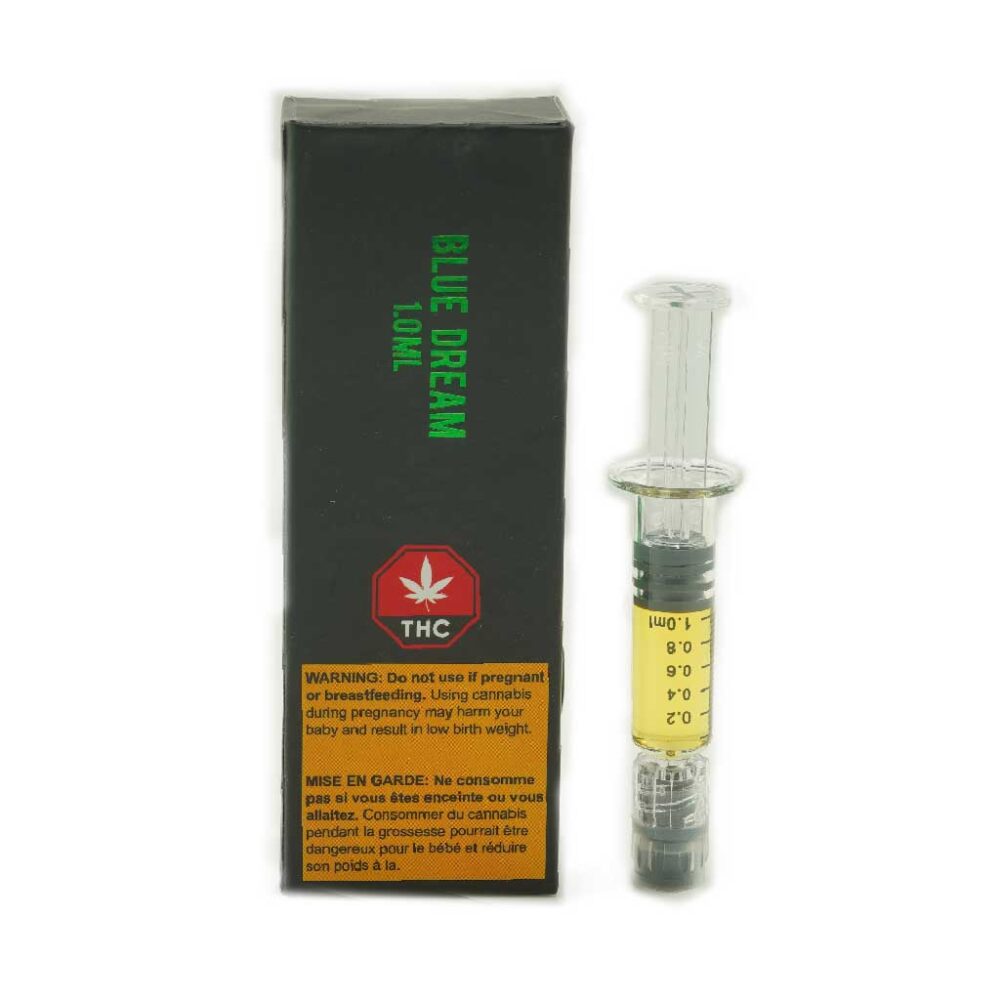
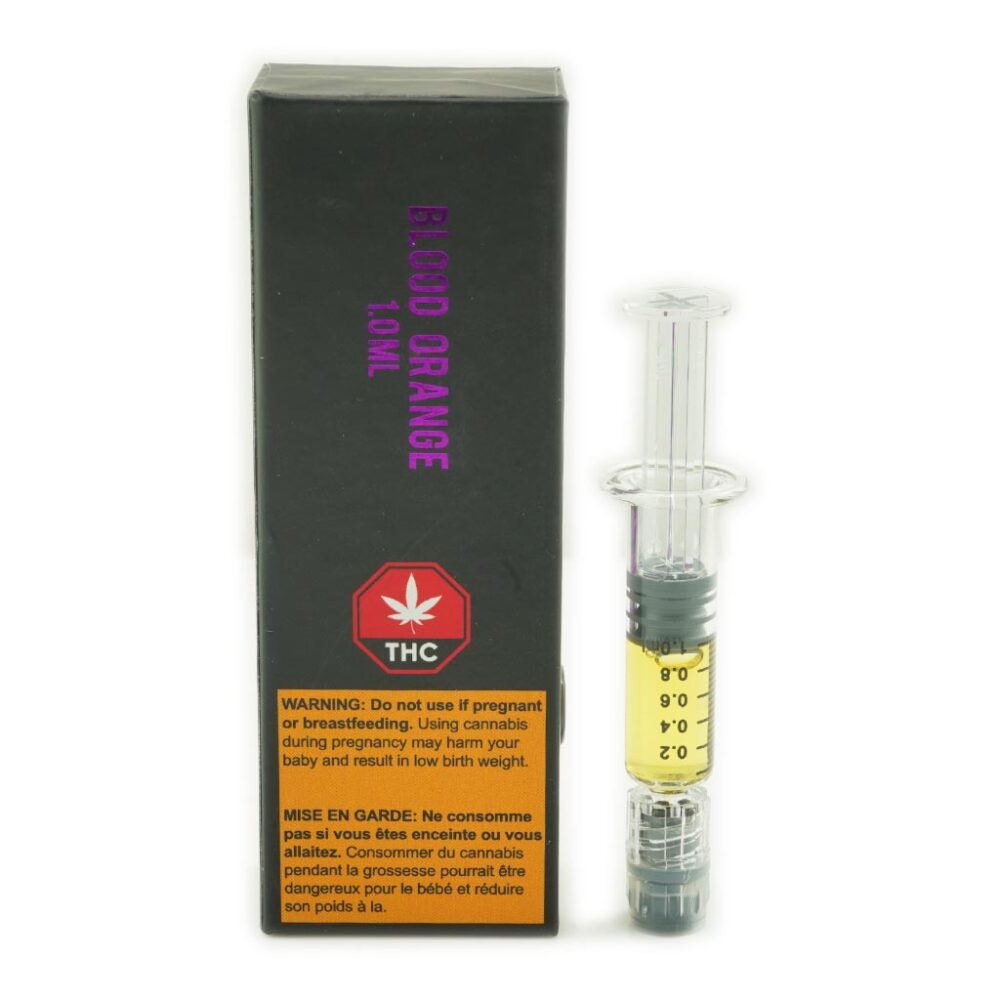
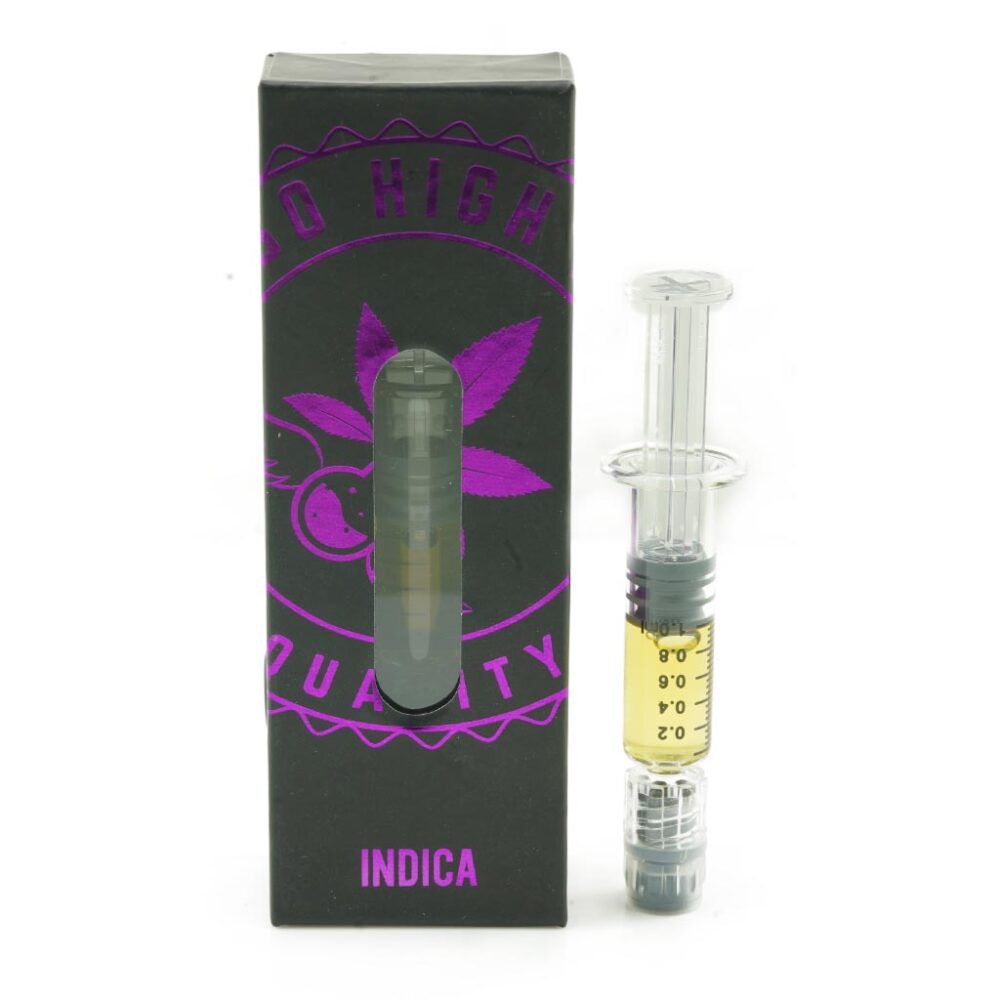
The glass syringe itself is a simple piece of equipment, but it changes the way you approach dosing. Instead of trying to eyeball a dab or guess how much oil is in a dropper, you get a clear measurement. The markings on the barrel let you repeat the same dose every time. That is useful for both new users and experienced ones who want consistency.
I have found that a good starting point with any distillate syringe is to take a small amount sublingually - hold it under your tongue for a minute or two. The effects come on faster than with an edible but slower than with a vape. It is a middle ground that works well for people who want something more controlled than a dab rig but faster than a brownie. If you are new to concentrates, starting with a low dose and waiting at least an hour before taking more is a sensible rule.
Lab Tests and Potency
Potency is a big selling point for any cannabis concentrate, but it is only useful if you know what you are getting. A lab test gives you the numbers behind the product. When a brand provides lab results for their distillate, you can see exactly how much Delta 8, Delta 9, and other cannabinoids are present. That transparency helps you make an informed decision, especially when you are comparing different products.
I have seen some people dismiss lab tests as unnecessary, but the difference between a 70% and a 90% distillate is significant. The higher the potency, the smaller the dose you need. That is where a syringe becomes even more valuable. You can accurately measure a tiny amount and still get the effects you want, without wasting any product.
Terpenes and the Experience
Terpenes are the compounds that give cannabis its aroma and flavour, but they also play a role in how a concentrate feels. A distillate that retains its terpene profile will smell and taste closer to the original plant. That might not matter if you are taking it orally, but for anyone who uses a dab rig or a vape cartridge, the flavour is part of the experience.
Some distillates are stripped of terpenes during processing, which leaves them odourless and flavourless. That can be useful for people who want a neutral product, but I personally prefer a concentrate that still has some character. A full-spectrum distillate usually keeps more of the terpenes, so you get both the effects and the sensory side.
Practical Uses Beyond Dabbing
While a dab rig is a common way to use concentrates, a syringe opens up other options. You can add a drop to a drink, mix it into a meal, or take it directly under your tongue. The oil is already activated, so you do not need to heat it or decarboxylate it. That makes it a good choice for people who want a discreet way to consume cannabis concentrates without drawing attention.
I have also used a distillate syringe to make my own vape cartridges. By mixing the oil with a compatible vape liquid, you can create a custom blend that fits your preferred ratio of Delta 8 to Delta 9. It takes a bit of experimentation, but once you find the right mix, it is a rewarding way to personalise your experience.
What to Look for in a Syringe Product
If you are considering a product like the phoenix tears thc syringe, there are a few things worth checking. First, look at the extraction method. CO2 extraction and other solventless methods tend to produce a cleaner product. Second, check for lab test results. They should show the cannabinoid profile and confirm that the product is free of contaminants. Third, consider the carrier oil. Some syringes use MCT oil or another carrier to make the distillate easier to handle. That is fine, but it changes the potency per drop, so factor that into your dosing.
Kush Station carries a range of distillate products, and the syringe format is one of the more versatile options. Whether you are new to cannabis concentrates or have been using them for years, the combination of precise dosing and full-spectrum cannabinoids makes it worth a look.